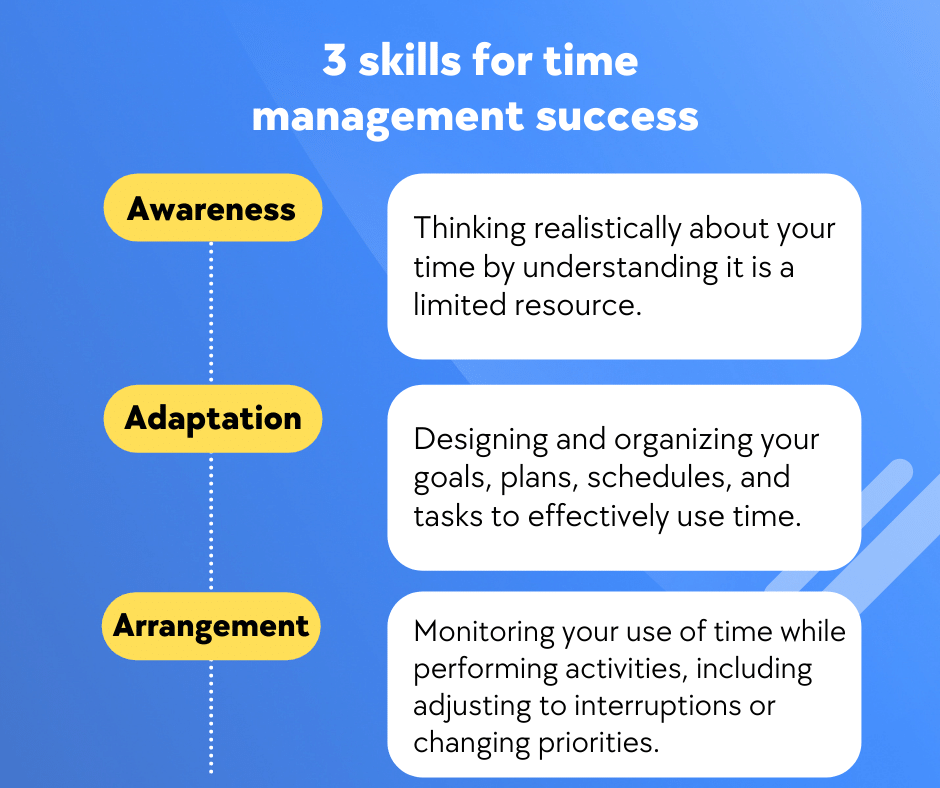
The real estate industry presents a unique set of challenges and responsibilities every day, because it involves client meetings, property showings, and paperwork that keep one busy throughout the entire day. Consequently, practicing smart time management for real estate agents and real estate agent schedules is very crucial. An organised routine not only enhances productivity but also helps reduce stress and contributes to the growth of the real estate business.
Craft Your Real Estate Agent Schedule
Every agent has a distinct working style, so the “perfect” real estate agent schedule can vary for each individual. What matters most is identifying your most productive hours and utilising that time to complete your critical tasks. With proper planning and scheduling, managing a real estate business efficiently becomes much easier.
Real Estate Agent Daily Schedule should be like this:
7:00 AM- 8:00 AM
Morning exercise, meditation, and day planning
8:00 AM – 10:00 AM
Lead generation and prospecting
10:00 AM – 11:00 AM
Emails and client follow-ups
11:00 AM – 1:00 PM
Market research and paperwork
1:00 PM – 2:00 PM
Lunch break
2:00 PM – 6:00 PM
Property showings and client meetings
6:00 PM – 7:00 PM
Social media marketing and branding
Types of Real Estate Agent Daily Tasks
To run a successful real estate business, an agent must handle multiple responsibilities. Showing properties is not the sole task within their daily routine.
Prospecting and Lead Generation
It is considered the backbone of the real estate business. Generating new leads and reaching out to potential clients are essential for business growth. Cold calling, referrals, networking, and digital marketing constitute an integral part of this process.
Client Follow-Ups
Maintaining regular communication with experts and old clients helps build trust. Timely follow-ups increase the chances of future referrals and repeat business.
Property Showings
Guiding clients through property viewings is an integral part of the daily responsibilities. Since a significant amount of time is spent on scheduling and travelling, that is why proper planning is essential.
Market Research
It is very important to stay updated on local property prices, trends, and information regarding upcoming developments. Market knowledge assists agents in providing better guidance to clients and strengthens their real estate business.
Transaction Management
Documentation, agreements, loan coordination, and legal paperwork are also an integral part of an agent’s daily tasks. Furthermore, smart time management for real estate agents helps minimize errors in their paperwork.
Time Management Tips for Real Estate Agents
1. Develop the Right Mindset
Effective time management tips for real estate agents begin with the right mindset. First and foremost, it is essential to understand why you entered the real estate industry and what your goals are. When your vision is clear, distractions diminish, and your focus improves automatically.
2. Use Time Blocking Technique
Time blocking is a popular strategy in which every task is reserved in a fixed time slot. This reduces distractions and improves productivity.
Example:
- Morning = Prospecting
- Afternoon = Meetings
- Evening = Marketing
If you allocate a specific amount of time for each task, unnecessary multitasking and confusion are avoided. Using calendar reminders and alerts can also be very helpful. This time management strategy for real estate agents is considered highly effective.
3. Avoid Multitasking
Attempting to handle multiple tasks simultaneously can lead to reduced productivity. It is more effective to focus on just one task at a time.
Multitasking can increase the likelihood of making mistakes, particularly in paperwork and client communications. Focus on work improves the quality and helps to reduce stress.
4. Set Client Boundaries
Clients should be informed of your working hours. Being available at all times is not a healthy practice and can negatively impact Work-life balance.
Maintaining professional boundaries ensures that clients also respect your schedule. While expectations can be made for the emergency situations, your regular routine should remain organised.
5. Invest in Lead Generation Tools
Real estate agents have long utilized CRM software and automated scheduling tools. These tools simplify five follow-ups and lead tracking.
With the aid of automation, repetitive tasks are minimised, allowing agents to focus more on important client interactions. Ultimately, smart tools make the growth of a real estate business both faster and more organised.
6. Outsource Repetitive Tasks
If the workload becomes excessive, tasks like marketing, graphic design, and administrative work can be outsourced, which allows you to focus on these crucial business- building activities.
7. Stay Consistent
Consistency is the single biggest factor for success in the real estate business. A daily routine and productive habits gradually drive the business growth.
8. Find an Accountability Partner
It is helpful to have someone who motivates you and keeps you on track. Weekly discussions and progress tracking can significantly boost productivity.
For the latest real estate business insights, property trends, and smart investment updates, you must explore the Hedgehomes website. Here, you will get useful information about real estate and market updates, which you will get only on this platform.